

Introduction
Urban environments are characterized by their bustling streets, towering skyscrapers, and diverse architectural styles. In recent years, there has been a growing trend towards incorporating natural elements into urban design to create a more harmonious and visually pleasing environment. One such element that has gained popularity is urban stone veneer. This versatile material offers a way to bring the beauty of natural stone into urban spaces, adding warmth and character to buildings and landscapes. In this article, we will explore the uses, benefits, and installation of urban stone veneer in urban settings.
What is Urban Stone Veneer?
Urban stone veneer is a thin layer of natural stone that is applied to the exterior or interior of a building to create the look of solid stone construction. This material is typically made from real stone such as granite, limestone, or slate, and is cut into thin slices that can be easily installed on walls, pillars, facades, and other surfaces. Urban stone veneer is available in a wide range of colors, textures, and finishes, making it a versatile choice for enhancing the aesthetics of urban spaces.
Uses of Urban Stone Veneer in Urban Environments
Urban stone veneer can be used in a variety of ways to enhance the visual appeal of urban environments. Some common applications include:
1. Facades: One of the most popular uses of urban stone veneer is on building facades. By applying stone veneer to the exterior of a building, architects and designers can create a striking and sophisticated look that stands out in the urban landscape. Stone veneer can be used to cover the entire facade or as an accent to highlight specific architectural features.
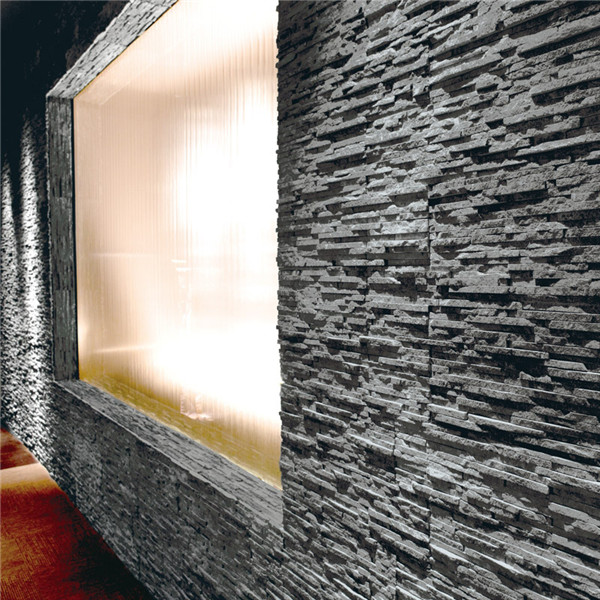
2. Accent Walls: Stone veneer can also be used to create accent walls in interior spaces such as lobbies, common areas, and retail stores. These walls add depth and texture to the space, creating a warm and inviting atmosphere for residents, employees, and customers.
3. Landscape Features: In urban environments, stone veneer can be used to create landscape features such as retaining walls, planter boxes, and seating areas. These elements help to break up the monotony of concrete and steel, adding a natural touch to public spaces.
4. https://www.fs-slate.com/fs-114s/ : Urban stone veneer can also be used to create public art installations that serve as focal points in urban plazas, parks, and walkways. These installations can take on a variety of shapes and forms, from abstract sculptures to functional seating elements.
Benefits of Urban Stone Veneer
There are numerous benefits to using urban stone veneer in urban environments, including:
1. Aesthetic Appeal: Urban stone veneer adds a touch of elegance and sophistication to any space. Its natural beauty and unique textures create a sense of warmth and character that is lacking in many urban settings.
2. Durability: Natural stone is a durable material that can withstand the rigors of urban environments, including extreme weather conditions, heavy foot traffic, and pollution. Stone veneer is also resistant to fading, chipping, and cracking, making it a long-lasting choice for urban applications.
3. Versatility: Urban stone veneer is available in a wide range of colors, textures, and finishes, allowing designers to create custom looks that complement the surrounding architecture and landscape. Whether you want a modern, minimalist design or a rustic, traditional look, there is a stone veneer option to suit your needs.
4. Sustainable: Natural stone is a sustainable building material that is extracted from quarries in an environmentally responsible manner. By using urban stone veneer, designers can reduce the environmental impact of their projects while still achieving the desired aesthetic.
5. Ease of Installation: Urban stone veneer is lightweight and easy to install, making it a cost-effective choice for urban projects. Installation is typically faster and more straightforward than traditional stone construction, saving time and labor costs.
Installation Process of Urban Stone Veneer
The installation of urban stone veneer involves several steps to ensure a successful and long-lasting application. While the specific process may vary depending on the project requirements and the type of stone veneer used, the following general steps are typically involved:
1. Surface Preparation: The first step in installing urban stone veneer is to prepare the surface where the veneer will be applied. This may involve cleaning the surface, removing any existing finishes or coatings, and repairing any cracks or imperfections.
2. Application of Adhesive: Once the surface is prepared, a layer of adhesive is applied to the back of the stone veneer slices. The adhesive used will depend on the type of stone veneer and the substrate being covered.
3. Placement of Stone Veneer: The stone veneer slices are then carefully placed on the prepared surface, starting from the bottom and working upwards. The slices should be positioned with a slight gap between each piece to allow for expansion and contraction.
4. Grouting: Once all the stone veneer slices are in place, grout is applied to fill in the gaps between the stones and create a seamless look. The grout color can be matched to the stone veneer or chosen to create a contrasting effect.
5. Sealing: To protect the stone veneer from moisture, stains, and damage, a sealant is applied to the surface. The type of sealant used will depend on the type of stone veneer and the location of the installation.
6. Finishing Touches: Finally, any necessary finishing touches, such as cleaning, polishing, or applying a protective coating, are completed to ensure the stone veneer looks its best.
Case Studies of Urban Stone Veneer Projects
To illustrate the versatility and impact of urban stone veneer in urban environments, let's explore a few case studies of successful projects:
1. City Hall Facade Renovation: A historic city hall building underwent a facade renovation using urban stone veneer to restore its original charm and elegance. The stone veneer was carefully selected to match the existing architectural style and was installed in a way that highlighted the building's unique features. The new facade received widespread acclaim for its seamless integration of modern materials with traditional design elements.
2. Urban Park Sculpture Installation: A public art installation in an urban park used urban stone veneer to create a series of sculptural elements that doubled as seating areas for park visitors. The stone veneer was sculpted into organic shapes that blended seamlessly with the natural surroundings, adding a touch of whimsy and creativity to the park space.
3. Mixed-Use Development Accent Walls: A mixed-use development project incorporated urban stone veneer accent walls in the lobby and common areas to create a sense of luxury and sophistication. The warm tones and natural textures of the stone veneer added depth and visual interest to the modern interior spaces, creating a welcoming atmosphere for residents and guests.
Conclusion
Urban stone veneer offers a unique way to enhance the aesthetics of urban environments by bringing the beauty of natural stone into city streets, buildings, and public spaces. With its versatility, durability, and sustainability, urban stone veneer is a popular choice for architects, designers, and developers looking to create visually stunning and long-lasting projects. By exploring the uses, benefits, installation process, and case studies of urban stone veneer, we have gained a deeper understanding of how this material can transform urban spaces into vibrant and inviting places for people to live, work, and play.